
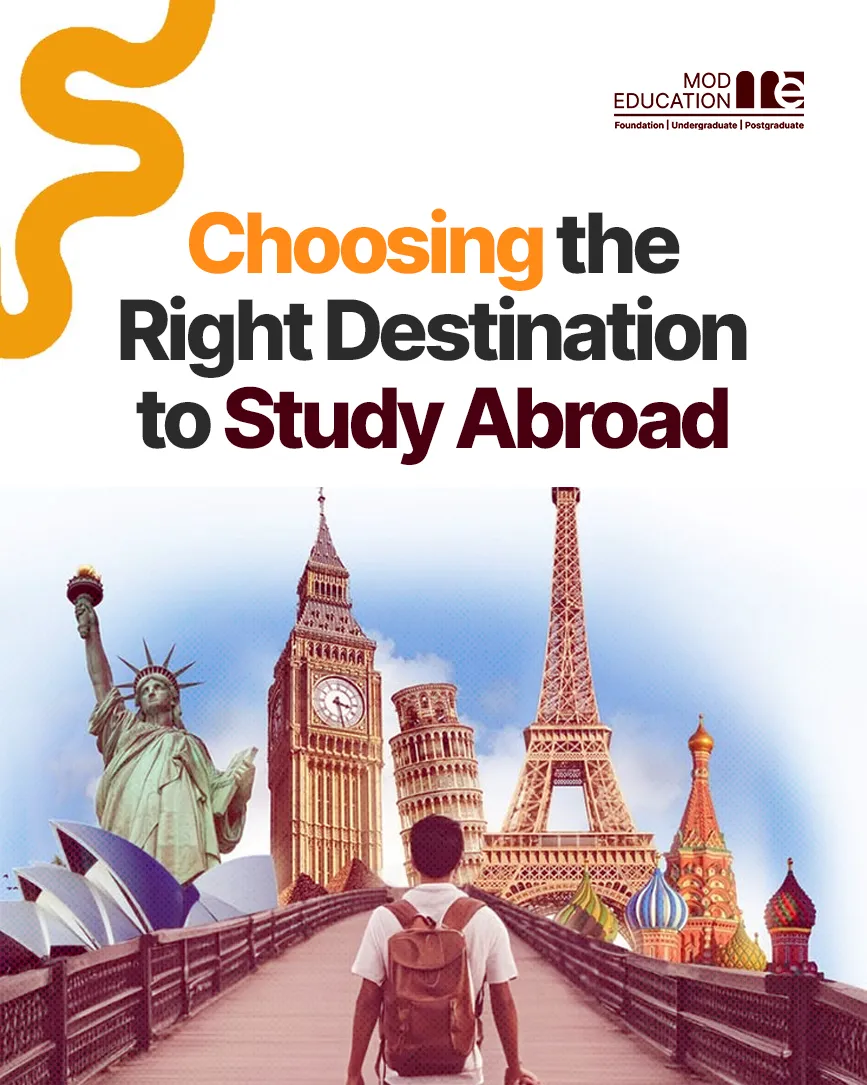
Every year, thousands of students decide to study abroad. Many make their decisions based on social media trends, popular destinations, or recommendations from friends. However, choosing the right country for your education requires a much more strategic approach.
Selecting the wrong destination can lead to academic struggles, limited job opportunities, or financial stress. The goal should not only be to study abroad, but to study in a country that supports your long-term academic and career goals.
1. Understand the Education System
Different countries have different academic structures. Some systems are research-intensive, while others focus on practical learning and industry experience.
For example:
* Some countries emphasize coursework and continuous assessments.
* Others focus heavily on final examinations.
* Some universities prioritize research and dissertations.
Understanding the academic style helps you determine whether the learning environment suits your strengths.
2. Evaluate Career Opportunities
Your degree should lead to career opportunities after graduation.
Before choosing a country, research:
* Job demand in your field
* Graduate employment rates
* Internship opportunities
* Industry partnerships with universities
A strong education system should connect students to the workforce.
3. Consider Post-Study Work Opportunities
Many students aim to gain work experience after completing their studies.
When choosing a destination, consider:
* Length of the post-study work visa
* Job availability in your industry
* Employer demand for international graduates
Some countries offer post-study work visas, allowing graduates to stay and gain professional experience. This experience can be extremely valuable for career development.
4. Understand the Cost of Education
Studying abroad is an investment.
Students must consider:
* Tuition fees
* Living expenses
* Accommodation
* Health insurance
* Transportation
* Study materials
Some countries offer more affordable education, while others provide strong scholarship opportunities.
Planning financially before applying can prevent serious stress later.
5. Look Beyond Rankings
University rankings can be helpful, but they should not be the only factor influencing your decision.
Instead, evaluate:
* Course structure
* Faculty expertise
* Industry connections
* Research facilities
* Student support services
The best university for one student may not be the best for another.
Final Thoughts
Studying abroad is one of the most powerful investments a student can make. But success depends on making informed decisions early in the process.
The right country should support your:
* Academic success
* Career goals
* Financial capacity
* Long-term opportunities
At MOD Education, we help students make these decisions with clarity and confidence.